Presented in partnership with the Newport Historical Society
Thursday, Sept 15, 6:30 – 7:30 pm
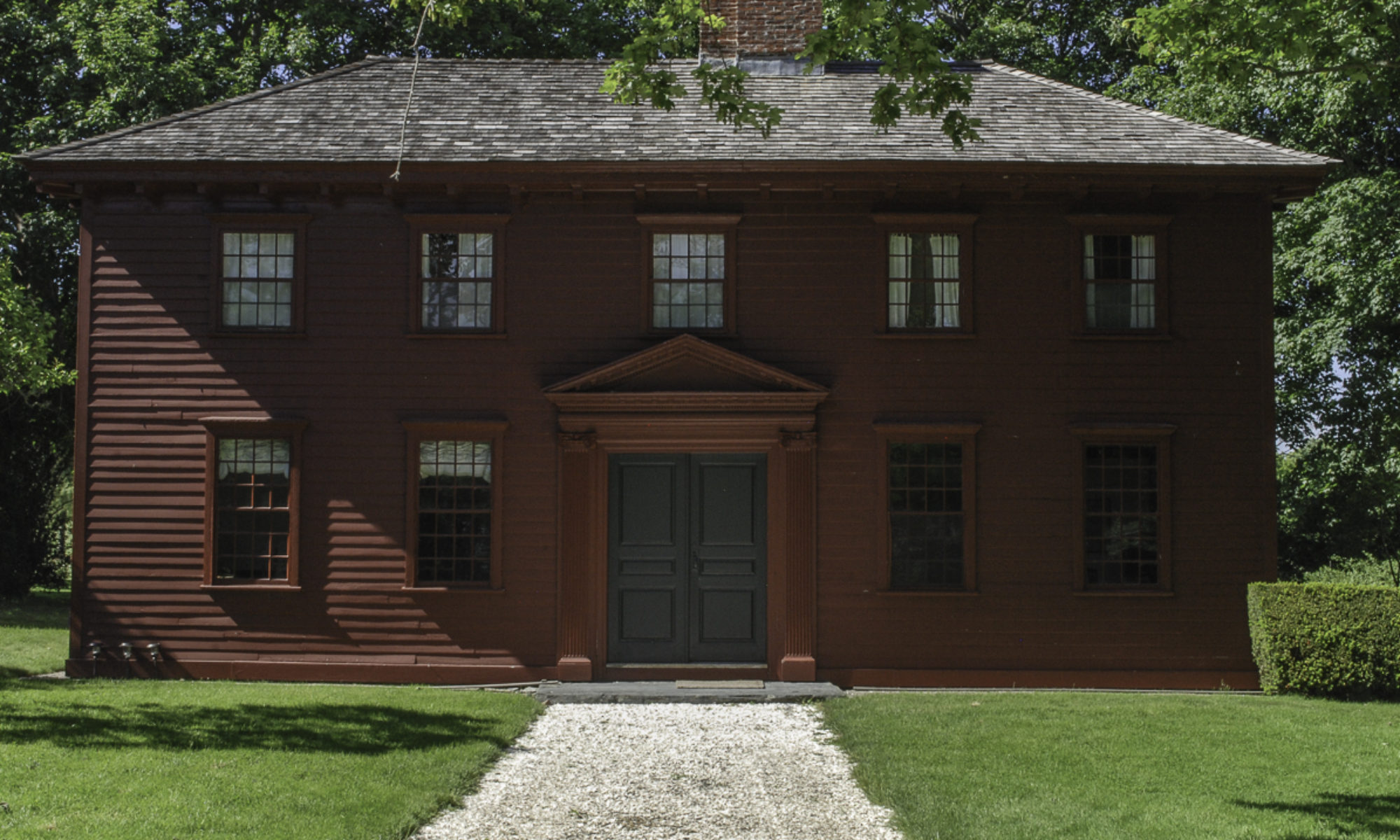
This illustrated lecture will explore the architectural, artistic and cultural significance of this 18th century house, from its fine Georgian door to its shingled facades. Whitehall is a treasure house of Colonial construction and Colonial Revival fascination, a cultural touchstone and source of design inspiration for architect Charles McKim, the painter Worthington Whittredge and other leading artists and writers of the 19th century.
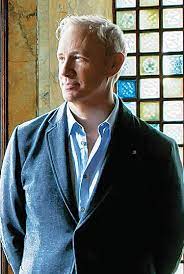
An architectural historian with a thirty-year career in historic preservation in Newport, John Tschirch is also a teacher, photographer and author of both scholarly works and historical fiction. His recent book Newport: The Artful City was published in association with the Newport Historical Society in 2020 and is available at ShopNewportHistory.com. To learn more about John’s work, please visit www.johnstories.com.
Attendance for this talk is free, but registration is required. To sign-up, please email info@whitehallmuseumhouse.org to receive the virtual attendance link.
You must be logged in to post a comment.